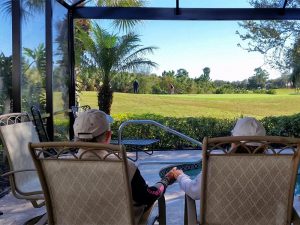
Florida’s outdoor lifestyle is one of its greatest gifts, but the same climate that makes poolside living so enjoyable also puts pool enclosures through a unique set of stresses. Salt air, high humidity, UV exposure, storm seasons, and year-round use take a toll on any structure. For homeowners in Sarasota, Tampa, Fort Myers, Orlando, and throughout the Gulf Coast, knowing how to identify pool enclosure problems early, and choosing the right materials and the right contractor, is the difference between an enclosure that lasts decades and one that costs you in constant repairs.
Commercial Residential Aluminum (CRA) has been helping Gulf Coast homeowners protect and maintain their pool enclosures for decades. As a Florida State Licensed Contractor, CRA brings licensed expertise to every repair, rescreen, and new installation, with Florida Builders Approval Certification or NOA (Miami/Dade) approval on all products. Whether your enclosure needs a minor screen fix or a full structural assessment, CRA’s experienced team serves homeowners across Pasco, Hillsborough, Manatee, Sarasota, Charlotte, Lee, Orange, Osceola, Seminole, Lake, and Collier counties.
Commercial Residential Aluminum Will Help Identify & Fix Pool Enclosure Issues
Florida’s climate creates conditions that wear on pool enclosures in ways homeowners in cooler, drier states never encounter. Here are the most common problems CRA’s team identifies, along with what they mean for your enclosure’s health.
Torn, Punctured, or Sagging Screens
Screens are the most visible and most frequently damaged part of any pool enclosure. Wind, storms, pets, and everyday wear can all cause tears and punctures. Even small holes allow insects, small animals, and debris to enter the enclosure. Over time, prolonged sun exposure causes screen material to fade, lose flexibility, and become brittle, making it more likely to tear during storms or high winds. Sagging, where screen material droops between frame sections rather than staying taut, typically means the mesh has stretched over time or that fasteners have loosened. Pool screens typically last between 6 and 12 years depending on material quality, storm activity, and sun exposure. CRA offers screen repair and replacement services for pool cages and lanais throughout Florida’s Gulf Coast, from Tampa to Naples and all throughout the greater Orlando region.
Loose or Corroded Bolts and Fasteners
Pool enclosures are held together with bolts and fasteners that can work loose over time as the structure expands and contracts with temperature changes. In Florida’s humid, salt-influenced coastal environment, these metal components are also prone to corrosion. Loose or corroded fasteners allow the framing to shift, reducing structural integrity and creating gaps where the screen meets the frame. Addressing loose or corroded hardware early prevents more expensive structural problems down the road.
Mold and Mildew Buildup
Florida’s humidity and the constant proximity of water make pool enclosures particularly vulnerable to mold and mildew buildup. When caught early and cleaned regularly, mold and mildew typically cause only cosmetic damage. Left untreated, they can spread across panels and require section repairs or a full rescreen. Regular inspection and cleaning of your enclosure is the most cost-effective way to stay ahead of this issue.
Storm and Impact Damage
Florida storms can cause immediate, obvious damage to pool enclosures: torn screens, bent framing, dents from windblown debris, and structural shifts caused by powerful wind loads. Even without visible tearing, repeated exposure to high winds and driving rain gradually weakens framing connections and loosens fasteners. After any significant storm event, a professional inspection of your enclosure is worthwhile, because damage that looks minor on the surface can indicate deeper structural concerns.
Fading and Discoloration
Prolonged exposure to Florida’s sun causes screen material and frame finishes to fade and discolor over time. Fading is not just a cosmetic issue. A screen that has become dull and chalky is often nearing the end of its useful life and more susceptible to tearing during the next storm. Discolored or deteriorating screens should be assessed to determine whether repair or full replacement is the right course of action.
General Aging and Structural Wear
Like any outdoor structure, a pool enclosure ages. Wear accumulates over time in the form of small cracks in framing, warping, and gradual loosening of the overall structure. If an enclosure is showing signs of widespread aging across multiple panels or structural components, a professional assessment will help determine whether targeted repairs or full replacement makes more financial sense. As a general benchmark, enclosures over 23 years old may be candidates for full replacement rather than continued repair.
CRA’s team can assess the condition of your existing enclosure and recommend the most cost-effective solution, whether that is a targeted screen repair, a full rescreen, or a new installation. Contact CRA at 855-272-2243 for a quote!
Aluminum Is the Best Material for Pool Enclosures
When Florida homeowners choose the material for a pool enclosure, they are making a long-term decision that affects how well the structure holds up to one of the most demanding outdoor environments in the country. Aluminum is the right choice for Florida pools, and here is why.
Aluminum Naturally Resists Corrosion
Aluminum forms a thin, stable oxide layer when exposed to air, a natural process that protects it from further corrosion. Unlike steel, aluminum does not rust. Unlike wood, it does not absorb moisture. In coastal Florida counties where salt air is a constant presence, this property is essential. An aluminum pool enclosure maintains its structural integrity and clean appearance over the years without the corrosion that plagues steel structures or the rot, warping, and termite vulnerability that affects wood.
Aluminum Is Engineered to Handle Florida Weather
Florida pool enclosures need to hold up against serious weather. Aluminum’s strength-to-weight ratio makes it well-suited for structures built to Florida’s strict wind-load building codes. A properly engineered aluminum pool enclosure can withstand the powerful winds that come with tropical storms and hurricane season. CRA’s patented ChannelLock Self-Mating Beam (SMB), backed by nine U.S. patents and Florida Product Approval (FL#19700), is 40 percent stronger than the typical industry beam, making CRA enclosures among the most storm-resistant structures available to Florida homeowners.
Aluminum Keeps Your Pool Cleaner and Reduces Maintenance Costs
By keeping out leaves, insects, and airborne debris, an aluminum pool enclosure dramatically reduces the amount of cleaning and chemical treatment your pool needs. With less debris contaminating the water, the pool’s chemical balance stays more stable over time, reducing both the frequency of adjustments and the cost of chemicals. The enclosure also limits direct sun exposure on the water surface, slowing evaporation and helping maintain a more consistent water temperature. Research from pool enclosure industry sources indicates that an aluminum enclosure can reduce pool heating costs by up to 70 percent by helping maintain water temperature.
Aluminum Provides UV Protection
Pool enclosure screen mesh filters UV rays while still allowing natural light and airflow into the space. This makes the enclosed area more comfortable during peak summer heat and reduces UV damage to pool surfaces, outdoor furniture, and vinyl liners. Industry data indicates that quality pool enclosure screens can block up to 80 percent of harmful UV rays, extending the comfortable hours you can spend by the pool each day.
Aluminum Is Low Maintenance
Unlike wood, which requires periodic sanding, painting, sealing, and ongoing inspection for termites, aluminum needs very little ongoing care. Unlike steel, it does not require rust prevention treatment. Occasional rinsing is typically all it takes to keep an aluminum pool enclosure looking sharp. This low-maintenance profile is especially valuable for Gulf Coast homeowners who already manage significant storm prep and seasonal upkeep.
Aluminum Adds Safety and Long-Term Home Value
A properly built aluminum pool enclosure creates a physical barrier that adds meaningful safety for households with young children or pets. In Florida, many municipalities allow a properly built pool enclosure to satisfy pool barrier requirements under local building codes. Beyond safety, a well-installed aluminum enclosure extends your pool use by an additional two to three months each year and can increase your home’s value by up to 20 percent. CRA’s aluminum pool enclosures are built to Florida code, custom-fabricated for precision fit, and installed by experienced crews who handle all design, permitting, engineering approvals, and inspections from start to finish.
Conclusion
Florida’s climate demands a pool enclosure built for Florida. Whether you are dealing with torn screens, corroded fasteners, storm damage, or an aging structure, Commercial Residential Aluminum has the licensed expertise and proven technology to help. And when it comes time to repair, rescreen, or replace, aluminum is the material that handles everything the Gulf Coast throws at it.
Contact CRA today to protect and enhance your outdoor space!
Frequently Asked Questions
- How durable are aluminum pool enclosures in Florida?
Aluminum pool enclosures are well-suited to Florida’s climate because aluminum naturally resists corrosion, does not rust like steel, does not rot or warp like wood, and is not vulnerable to termites. A properly engineered aluminum enclosure can handle the wind loads associated with tropical storms and hurricane season. CRA’s enclosures are built with the patented ChannelLock Self-Mating Beam (SMB), which is 40 percent stronger than the typical industry beam and carries Florida Product Approval (FL#19700), meeting Florida’s strict standards for coastal residential structures.
- How long does an aluminum pool enclosure last?
The aluminum frame of a pool enclosure can last for many years with proper care. The screens, which are the component most exposed to sun, wind, and storm activity, typically last between 6 and 12 years depending on material quality, storm exposure, and UV intensity. When screens reach the end of their useful life, CRA offers screen repair and replacement services for pool cages and lanais throughout the Gulf Coast. Enclosures that are over 23 years old may be candidates for a full structural assessment.
- How long does pool enclosure installation take with CRA?
CRA’s licensed professionals handle all design, permitting, engineering approvals, and inspections from start to finish. CRA’s experienced crews serve homeowners in Sarasota and throughout Florida’s Gulf Coast, from Tampa to Naples. Contact CRA at 855-272-2243 or visit craluminum.com/get-a-quote/ for a quote and timeline specific to your project.
- Can an aluminum pool enclosure reduce energy costs?
Yes. An aluminum pool enclosure helps maintain water temperature by limiting direct wind exposure on the pool surface and reducing evaporation. Industry research indicates that a pool enclosure can reduce pool heating costs by up to 70 percent by helping maintain water temperature. A pool enclosure also allows you to extend your swimming season, with research suggesting pool use can increase by an additional two to three months per year with a properly installed enclosure.
- What certifications should I look for when hiring a pool enclosure contractor in Florida?
Look for a contractor that is a Florida State Licensed Contractor with products carrying Florida Builders Approval Certification or NOA (Miami/Dade) approval. CRA meets all of these requirements. CRA is fully licensed and insured. CRA’s patented ChannelLock Self-Mating Beam (SMB) carries Florida Product Approval (FL#19700) from Florida’s Department of Business and Professional Regulation (DBPR), and every CRA enclosure is custom-fabricated and installed by experienced crews who manage the full process from permitting to final inspection.