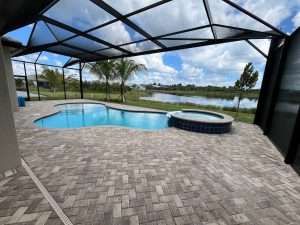
Living in Florida comes with a lot of perks, and one of the most popular ways homeowners across Central Florida and the Gulf Coast take advantage of the climate is by adding a lanai. Whether you are envisioning a screened outdoor dining space, a relaxed retreat next to the pool, or a covered entry that keeps bugs and afternoon rain at bay, a lanai enclosure can transform how you use and enjoy your home.
If you are considering adding a lanai to your property, you probably have questions about what the process actually looks like. How long does it take? Do you need a permit? What happens on installation day? At Commercial Residential Aluminum, we have been building and installing lanai enclosures across Orange County, Lake County, Seminole County, Pinellas County, and beyond for years. This guide walks you through what to expect from start to finish.
Adding a Lanai to Your Home in Florida
A lanai installation is not a one-day project. It is a structured construction process that involves planning, permitting, fabrication, and installation, each stage building on the one before it. Here is what the process looks like when it is done right.
Step 1: Consultation and Site Assessment
The process starts with a conversation. A reputable contractor will visit your property to measure the space, assess the existing structure, evaluate the ground conditions, and discuss your goals for the space. This is also when you will talk through your design options: screen type, frame color, door placement, and any custom configurations you want.
For a Florida lanai specifically, material selection matters. In coastal and inland Florida communities alike, all enclosure materials must meet the requirements of the Florida Building Code, including wind load ratings for the local wind speed zone. A qualified contractor will help you select materials that are appropriate for your specific location and exposure, whether your home is in Orlando, St. Petersburg, or a community closer to the coast.
Step 2: Design Finalization and HOA Review
Once the scope of work is defined, your contractor will finalize the design. If your community has a homeowners association, this is the stage to submit the proposed design for HOA approval. Many Florida communities require written HOA approval before permit applications can be submitted, so starting this step early avoids delays down the line.
Step 3: Permits
Whether you want to screen in an existing or new porch, you must have the proper permits. These permits ensure the project’s safety, ensure the project complies with building codes, and protect the value of your property.
The Florida Building Code sets the statewide baseline, but local jurisdictions enforce the work. Your city or county may have its own permit forms, submittal requirements, inspection scheduling steps, and administrative expectations. A licensed contractor handles the permit application on your behalf, including engineered drawings if required, and manages communication with your local building department through approval.
The permit review and approval process typically takes anywhere from two to six weeks, depending on the complexity of your project and the current workload of your local building department. This is normal and expected. A contractor who skips this step is putting your investment and your home’s resale value at risk.
Step 4: Fabrication
Once permits are approved, fabrication begins. For aluminum lanai enclosures, this means the structural components, framing, and screen panels are custom-cut and prepared to the exact specifications of your project. A team member will verify the measurements and begin the fabrication of your custom enclosure. Once fabrication is complete, licensed and insured installers will come out to your property to install your new, custom-designed enclosure.
Step 5: Site Preparation and Installation
Before installation day, the area around your lanai site needs to be cleared of furniture, potted plants, and any obstacles. The ground may need to be leveled if a new foundation or slab is part of the project. Site preparation, including excavation and leveling, typically takes one to two days. The construction process, including wall and roof assembly, generally spans four to six days, though custom designs may require additional time.
On installation day, the crew will erect the aluminum support structure, attach the screen panels using fasteners and spline, and install any doors. Weather is a real factor in Florida. Inclement or stormy weather may delay the installation of your outdoor screen enclosure. Your contractor should communicate proactively if weather pushes the schedule.
Step 6: Inspection and Final Sign-Off
The last step involves an inspection of the project by your local municipality, city, or county building and zoning agency. The inspector verifies that the completed structure meets the requirements of the permit and the Florida Building Code. Once the inspection passes, your lanai is officially complete and ready to enjoy.
How Long Does a Lanai Installation Take in Total?
The entire installation typically takes between three to six weeks, influenced by design complexity, size, and permitting timelines. Homeowners who plan ahead and work with a contractor who handles permitting efficiently will generally land toward the shorter end of that range.
The Benefits of Lanai Enclosures by Commercial Residential Aluminum
A lanai enclosure does more than extend your square footage. In Florida’s climate, it fundamentally changes how you use your outdoor space for the better.
Protection from Insects and the Elements
Florida’s warm, humid environment is ideal for mosquitoes, no-see-ums, and other insects that make spending time outside uncomfortable. A properly installed screen enclosure creates a barrier that lets you enjoy the breeze and the view without the bugs. It also provides shade and protection from the afternoon rain that is a near-daily occurrence across much of Central Florida from spring through fall.
Expanded Living Space
A lanai effectively adds a fully usable room to your home without the cost of a traditional interior addition. Whether you furnish it as an outdoor dining area, a casual lounge, a workspace, or a place for the kids to play, it extends the footprint of your home into the outdoors in a way that feels natural and comfortable year-round.
Added Home Value
A well-constructed, permitted lanai enclosure adds measurable value to your property. In Florida’s real estate market, where outdoor living space is a genuine selling point, a screened lanai is a feature that resonates with buyers and commands attention in listings.
Reduced Pool Maintenance
For homeowners with pools, a screened enclosure dramatically reduces the amount of debris, leaves, and insects that make their way into the water. That means fewer hours skimming, less chemical adjustment, and more time actually using the pool.
Year-Round Enjoyment
Florida may be the Sunshine State, but UV exposure and summer heat can make unshaded outdoor spaces genuinely difficult to use during the hottest parts of the day. A screened lanai provides filtered shade that makes outdoor time comfortable even in July and August, while staying open and enjoyable during Florida’s mild winter months.
Why Choose Commercial Residential Aluminum
Commercial Residential Aluminum (CRA) is one of Florida’s leading aluminum enclosure contractors, serving homeowners across Orange, Lake, Seminole, Pinellas, and surrounding counties. CRA installs Entry & Lanai Enclosures, Patio & Pool Enclosures, and ScenicView Screen Enclosures, with a team of licensed and experienced professionals who handle every step of the process, including permitting, fabrication, installation, and final inspection.
CRA’s proprietary ChannelLock SMB system is one example of the kind of innovation that sets the company apart. It is an aluminum screen enclosure system engineered specifically for Florida conditions, offering strength, durability, and a cleaner finished appearance than standard framing systems.
Whether you are starting from scratch or replacing an aging screen enclosure, CRA brings the expertise, the materials, and the local knowledge to get the job done right the first time.
Ready to Add a Lanai to Your Florida Home?
A lanai is one of the most rewarding investments you can make in your Florida property. It enhances your lifestyle, protects your family from insects and weather, and adds lasting value to your home. With the right contractor handling the process, it is also far less complicated than many homeowners expect.
Commercial Residential Aluminum is ready to help you plan, design, and install the lanai enclosure that is right for your home and your budget. Serving communities across Central Florida and the Gulf Coast, our team is one call away. Request a quote today or call us at 855-272-2243.
Frequently Asked Questions
1. Do I need a permit to build a lanai in Florida?
Yes. Building permits are required in all Florida counties for lanai enclosures. Permits ensure the structure complies with the Florida Building Code, including wind load and structural requirements. A licensed contractor like CRA handles the entire permit process on your behalf.
2. How long does a lanai installation take?
Most lanai installations take between three and six weeks from start to final inspection. This includes permit review (two to six weeks), fabrication, site preparation, installation (typically four to six days for the construction phase), and the final building inspection.
3. What happens if I build a lanai without a permit in Florida?
Unpermitted structures can result in fines, forced demolition, and serious complications when you sell your home. Buyers’ lenders and inspectors will flag unpermitted structures, which can derail a sale entirely. Always work with a licensed contractor who pulls permits.
4. Do I need to check with my HOA before installing a lanai?
Yes, if your community has an HOA. Most HOAs require advance approval of structural additions, including lanai enclosures. Submit your design specifications to the HOA early in the process to avoid delays, ideally before the permit application is submitted.
5. What areas does Commercial Residential Aluminum serve?
CRA serves homeowners across Orange County (Orlando, Winter Park, Winter Garden, Apopka, Windermere, and more), Lake County (Clermont, Leesburg, Mount Dora, and surrounding cities), Seminole County (Sanford, Longwood, Oviedo, Lake Mary, and more), Pinellas County, and additional communities across Florida’s Gulf Coast. Visit CRA Florida Service Area for the full list.
6. What types of lanai enclosures does CRA install?
CRA installs entry and lanai enclosures, patio and pool enclosures, and ScenicView screen enclosures. The firm also handles screen replacement and repair for existing enclosures. Visitus for more on CRA’s lanai enclosure options.